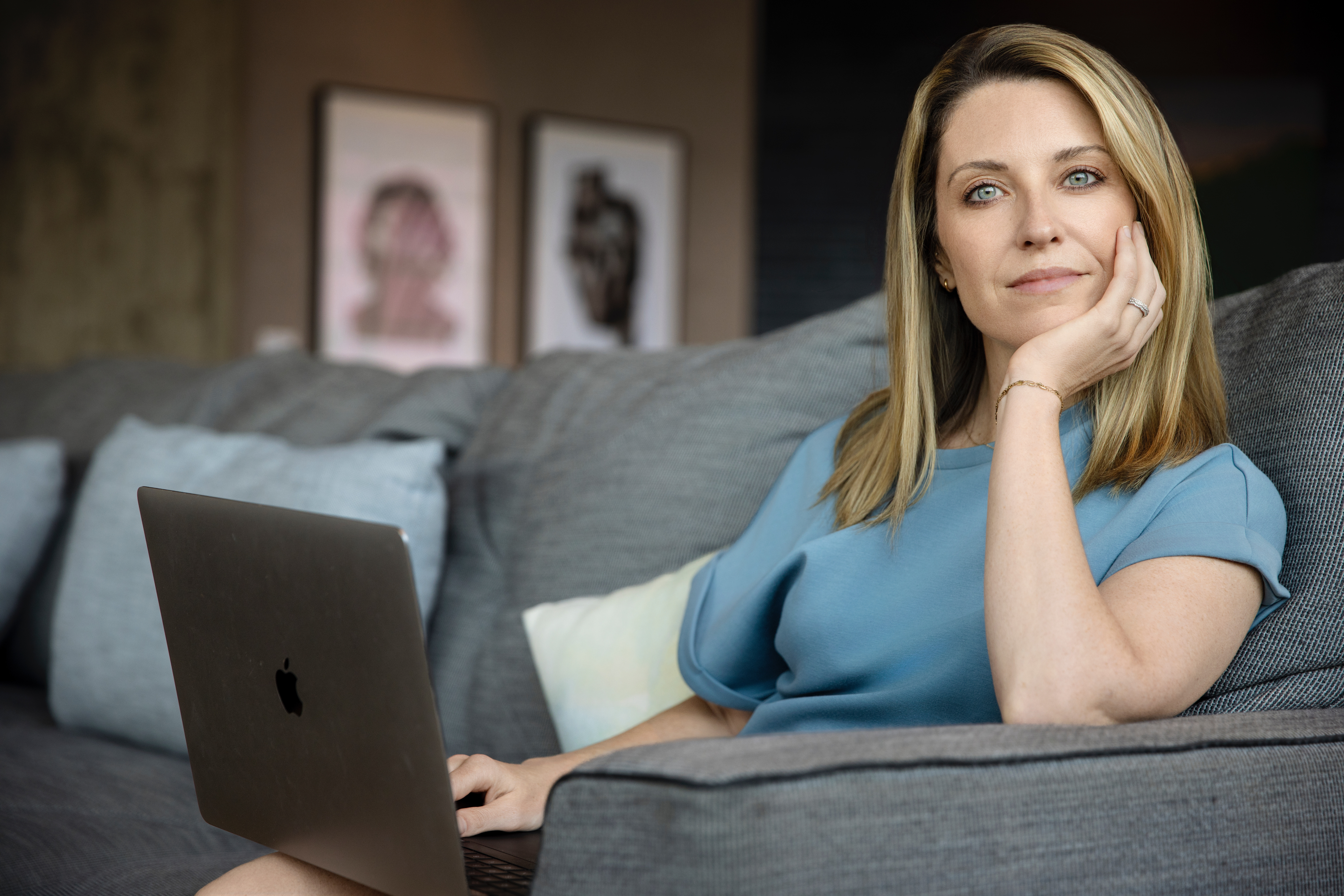
In this interview with Nora Rodgers, a former Philadelphia charter school teacher and founder of Wag Days, she shares her journey from education to building a multi-location dog care business rooted in culture, care, and community. She reflects on redefining success through workplace pride and team longevity, building a balanced life alongside ambition, and the leadership lessons she’s learned around failure, patience, and creating a business—and legacy—that feels joyful, sustainable, and human.
Success Is Creating a Workplace People Never Want to Leave
What is your definition of success today?
I think my teacher background kind of plays into this. Of course, I want Wag Days to be an exemplary pet care business. I want all the five-star reviews and all the good things that come with that. Of course, that’s part of it. But when I look at the business, success to me is creating a place where people want to work, where you’re proud to say that you work there, and where you come to work excited. You might leave tired, but you’re recharged and regenerated the next day.
I really strive to make it a great environment for staff at any level so that they have that pride in Wag Days and don’t see it as just a place where they come to collect a paycheck. I feel like I have been successful in that. It’s a business with a lot of turnover because it is emotionally and physically stressful, which a lot of people don’t realize when they get into it. They’re like, “I’ll play with dogs all day.” But really, you’re doing physical work and you’re on your feet all day.
In South Philly, we’ve been open for six years. More than 50% of my staff has been with me for four and a half to five years. They’ve moved up through the ranks. They’ve been able to help improve the company and take on different roles. I’m so proud of that part of the business, that it’s not a turnover business like most in this industry, and that people love coming in and don’t just look at it as playing with dogs, but as their job and their career.
Ambition Means More When Life Is Enjoyed Along the Way
What would you say is your dream life, and are you currently living that?
Am I living my dream life? Probably not yet. But I guess that’s also the question: will my brain ever be quiet? What am I striving for?
One thing I’ve been able to accomplish is having an exciting career while also having an exciting life. I think a lot of entrepreneurs put all their effort and energy into their business. Then they come home, breathe, decompress, and kind of hibernate because they’ve worked themselves into the ground.
Of course, I do that too. We all need to recharge. But I’ve really made it a goal to bring that same ambition, drive, and curiosity into my life at home. Sure, I can give everything to work, but I also have to come home and give everything to my family. We’re going to go on trips, enjoy each other’s company, and enjoy life. Because what the heck is the point of all this? Just to have money in the bank? Yes, we need that. But we also need spontaneity and experiences together.
That’s where I want my life to go, being able to enjoy the fruits of my labor with the people I spend the most time with. I try to show my kids that too. Work hard, but honestly, you have to play hard. I always say you have one life. What the hell are we doing if we’re not enjoying it and doing what we want to do?
Simple Systems Create Extraordinary Balance
What would you say are the habits that you practice that allow you to do the work you do at the level that you do it?
A few years ago, I was at a conference and we were talking about how we keep ourselves moving forward in our businesses and hitting the goals we want to hit. Someone said, “Every night when I end my day, I schedule my next day.” It’s down to what I’m doing for myself, for my family, and for the business.
It seems so simple, but I took that with me and it’s been extremely beneficial.
I also don’t fight the parts of the business that I really enjoy. A lot of times you’ll hear people say, “You started because you’re a dog lover, but you really should be in the office working on the big picture.” I tried to take that mindset for a while, but I realized that’s not what I want to do. I want to still be part of the business and part of why it’s been so successful.
I’ve created space for everything through scheduling. I can be all over the place. I used to go into every day thinking, I have to get all this stuff done. Then the day’s over and I think, I guess I’ll get it done tomorrow because I’ve been talking to people all day.
Now I’ve created a space where I’m allowed to get my hands dirty and be with my staff and the dogs. I still take pride in knowing every dog that comes to the facility. I give myself those days, at least one in each facility. But I also make time for myself to do the things I need to do to keep my brain and body healthy.
My battery gets recharged by social situations. I have to make time to see friends and family. If I don’t do that, I totally fall off. I also have to make time to work from home, away from all the distractions.
Such a simple piece of advice has really helped me keep everything in balance and make time for everything so that the business, my family, and I are all getting, most of the time, the best version of me. I consciously need time for those things.
Perfection Is the Biggest Barrier to Bold Action
What do you think holds women back from taking opportunities?
I think it’s ingrained in women that we have to be perfect and that we cannot fail.
I look back, even now, at how people raise sons and daughters. It’s like, “Your girls are so good. They do exactly what they’re supposed to do.” Then a boy climbs a shelf and breaks all the glass, and people say, “Well, he’s a boy.”
At a very young age, we’re creating these paths where girls stay in line and boys can get messy. That mindset stays with us and with society into adulthood.
I think women are taught to fear failure, and that becomes a fear of taking chances and stepping outside the box. It sucks because if you don’t take chances and you’re afraid to fail, you’re never going to take opportunities. You’re telling yourself, “I might not do it perfectly, so I don’t want to do it at all.”
Anytime women ask me how I did it, I say, “You just have to go into it knowing it might not work out. What’s the worst that’s going to happen?” Maybe you take out a loan. Maybe you learn something. Maybe your resume gets stronger and you end up in a better-paying job. At the end of the day, nobody’s hurt.
I always think that if you have a passion for something and you believe in it, you’re probably going to make it work. So fail. Fail fast. Learn from your mistakes.
Men are often told that failure is part of the process, that they’ll learn from it and come back stronger. Women aren’t always given that same message. We’re not told, “If you fail, you’ll learn how to do it better next time.”
We’re so fear-driven as a gender, and it’s held us back in a lot of ways. It sucks because sometimes you just want to shake everyone and say, “It’s okay. We’ll be fine. We’ll get through this.”
Growth Happens at the Speed of Patience
What would you say is a hard lesson that you’ve had to learn on your leadership journey so far?
I like to bring ideas to fruition quickly, which also ties into failure. I want to figure out if something is going to work really fast. I’ll come up with an idea on a Monday and think, we’re going to implement it and see what happens. If it doesn’t work, we’ll go back or try something new.
A big hurdle I’ve had to overcome is realizing that not everything can happen quickly and that things take time.
I’ve opened more locations, and opening businesses in Philadelphia is slow. That’s been a true learning experience for me, being content with the fact that the business I’m running now is doing really well. I really want to get to that next step, but I have to move at the pace that’s available to me.
Not everything can happen quickly. As your staff grows, you can implement change, but you have to be realistic about how slowly change can happen in a larger organization. That’s not necessarily a bad thing because it has to happen in steps.
That’s been a huge pain point for me, but it’s also taught me to settle into what we’re doing now and trust that we’ll get where we’re going. Not everything has to happen right away.
Make Success Feel Joyful, Not Just Impressive
What’s the legacy that you hope to leave?
I don’t think I want people to think I made it look easy, but I do want people to think I made it look enjoyable and fun.
Of course, there are days when you want to crawl into bed and never get out. But I want the people around me to see that this can be enjoyable, and that you don’t have to lose sight of that. Taking your passion and bringing it to life can be really fun.
If people leave saying, “She was a really fun person to be around, and she brought that energy into her business and every aspect of her life,” I’d be happy with that.
I never want anyone to look at the business and think it was a scary place or that I was too strict, like a drill sergeant. Whether it’s the people who work for me, the people I speak to, my family, or anyone else, I want people to enjoy being around me and to see that the things I’ve created are enjoyable, fun, and interesting.
Meet Nora Rodgers
Nora is a former Philadelphia Charter School teacher. After teaching elementary school for 4 years and completing her Masters in Educational Leadership from the University of Pennsylvania she decided to go a completely different direction and launched her dog walking business, Wag Days in 2019. From there Wag Days has grown into two locations offering dog daycare, boarding, training and most recently dog grooming. Wag Days flagship is in the Bok Building and the second location is in Fishtown. Nora is currently working on her 3rd location coming 2027.
Habituelle is proud to partner with the Fitler Club on The Stories—a shared commitment to elevating the voices of women leaders and creating space for the conversations, connections, and stories that inspire meaningful change.